Discover the perfect journey for your child's heart and mind
11 courses found
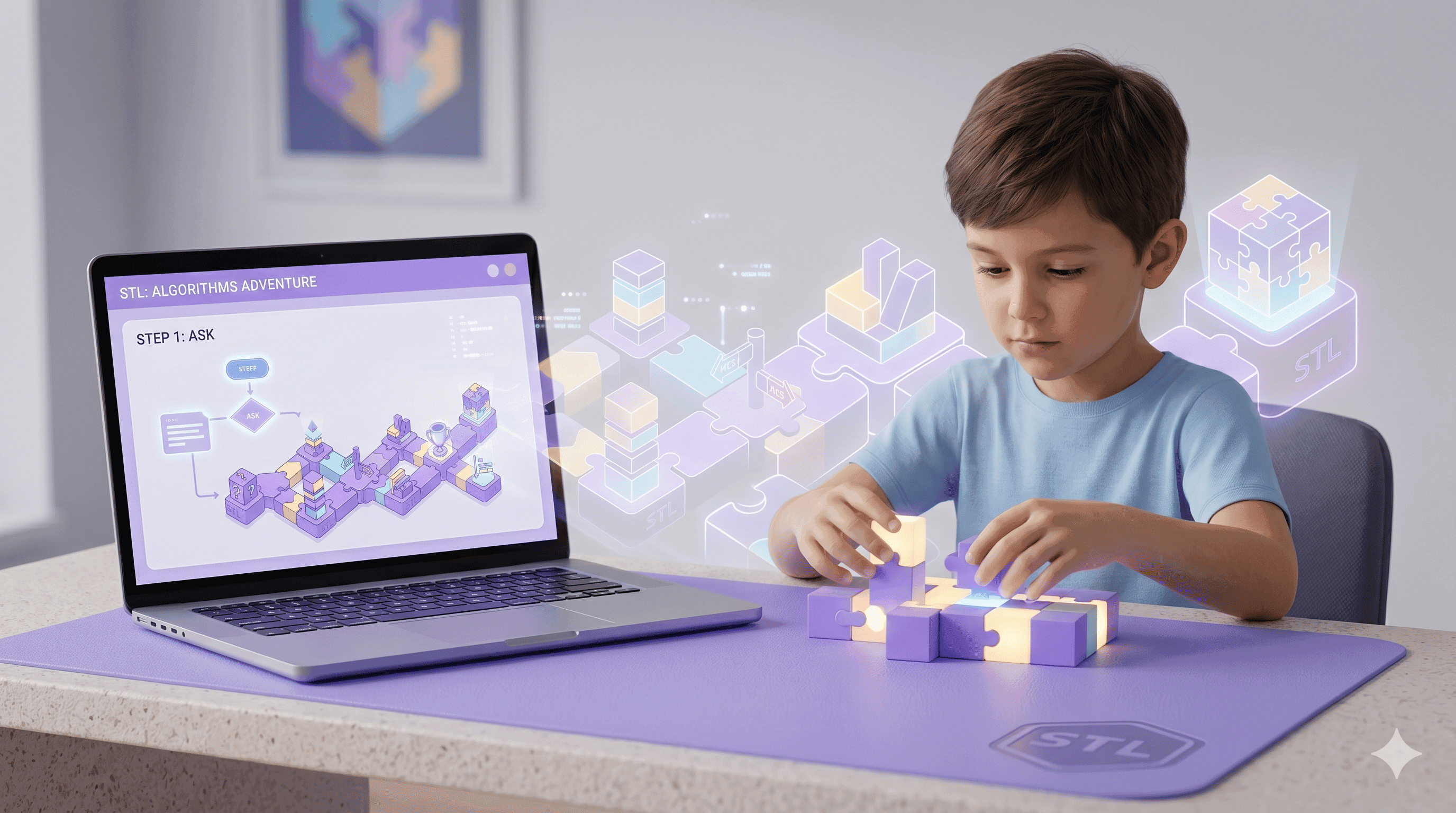
Train your child to think like a problem solver! In this interactive online course, students learn how to break down problems, follow step-by-step solutions, and think logically through fun activities and challenges. They explore sequencing, conditions, loops, and debugging while creating their own simple algorithms and games.
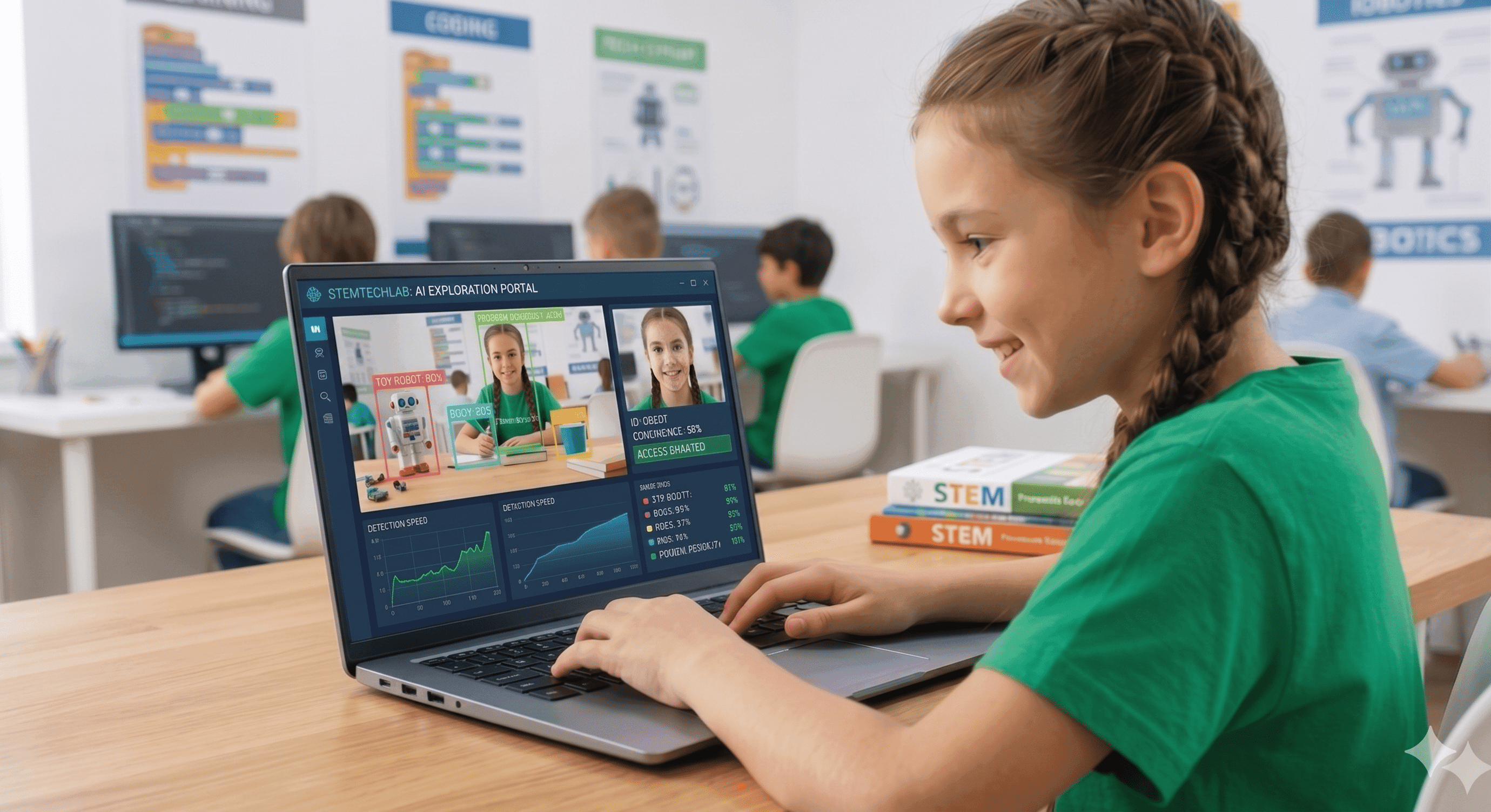
In this introductory building stage, students shift from coding with fixed rules to training models with data. They learn the core mechanics of Machine Learning by building their own image, text, and sound recognition systems. Based on the British "Experience AI" framework, this level focuses on the "Data-Model-Action" loop, ensuring students understand how to curate datasets and identify the impact of bias in AI design. By the end, they aren't just consumers of AI; they are builders who understand the architecture behind intelligent reactions to human input.
Level 2 transitions into the engineering behind advanced AI, exploring Decision Trees and the fundamental logic of Neural Networks. Aligned with UK Key computing standards, students learn how to refine model accuracy through iterative training and explore the basics of Natural Language Processing (NLP). The course emphasizes "Algorithmic Accountability," teaching students how to design AI that solves complex, real-world problems ethically and efficiently. They emerge as true innovators, capable of prototyping AI solutions that think, adapt, and predict outcomes with precision.
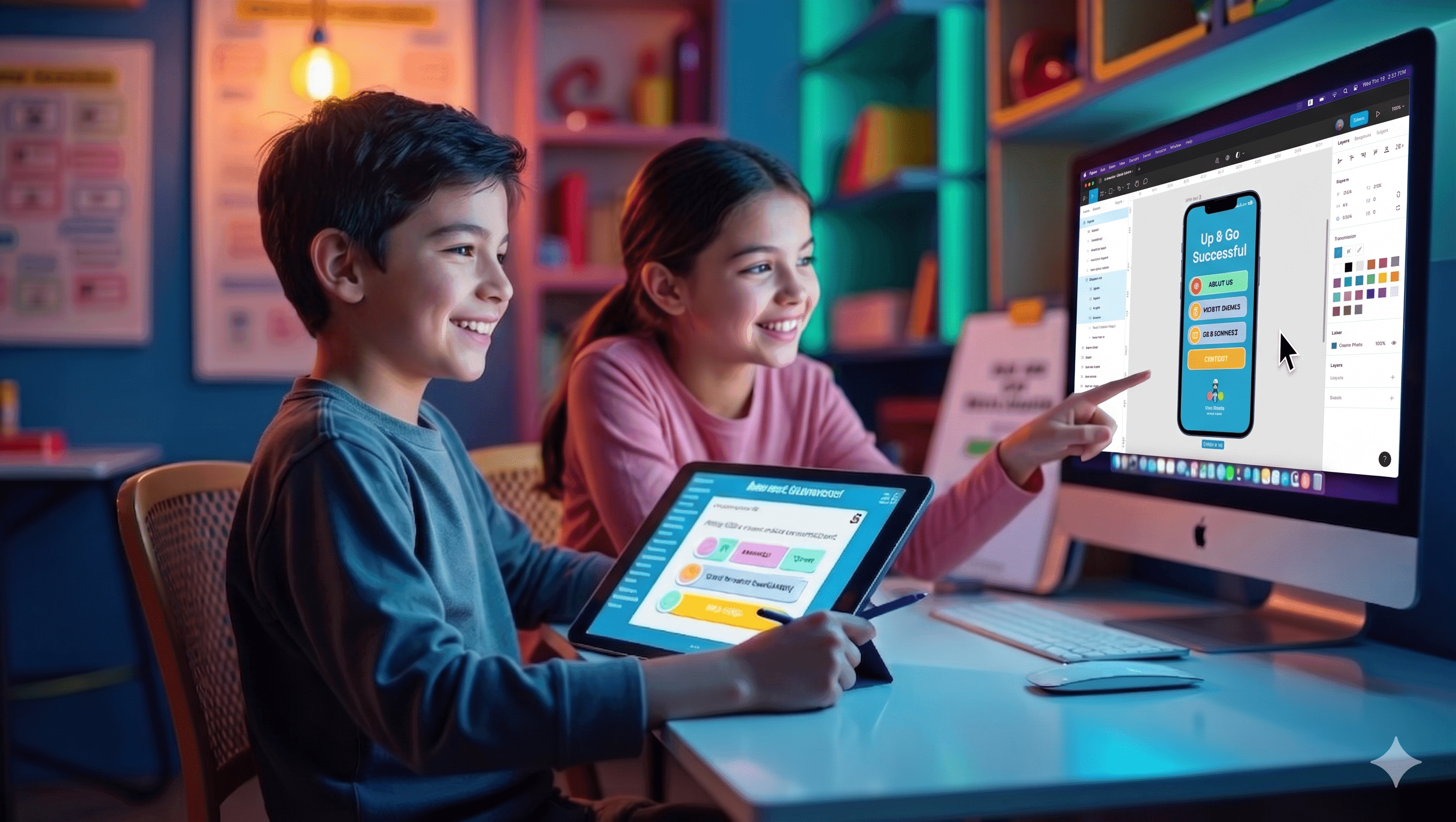
From idea to app—your child builds real technology! In this hands-on course, students explore how mobile apps are created step by step. They learn to design user-friendly interfaces, understand UI/UX, and build layouts using wireframes. Students discover mobile hardware, media tools, and online safety, then apply logic through variables and data. The course ends with building a real Health Tracker App and a final project.
In this foundational stage, students transition from passive technology consumers to active creators by mastering the core concept of algorithms—precise, step-by-step instructions. Following the UK Key Stage 1 (KS1) standards, the curriculum emphasizes "logical reasoning" and the vital skill of debugging. By learning to predict outcomes and systematically fix errors, children develop the cognitive resilience needed to solve problems before they even touch a keyboard. This level instills a "builder’s mindset," ensuring that every young learner views technology as a canvas for their own imagination rather than a mystery they simply observe.
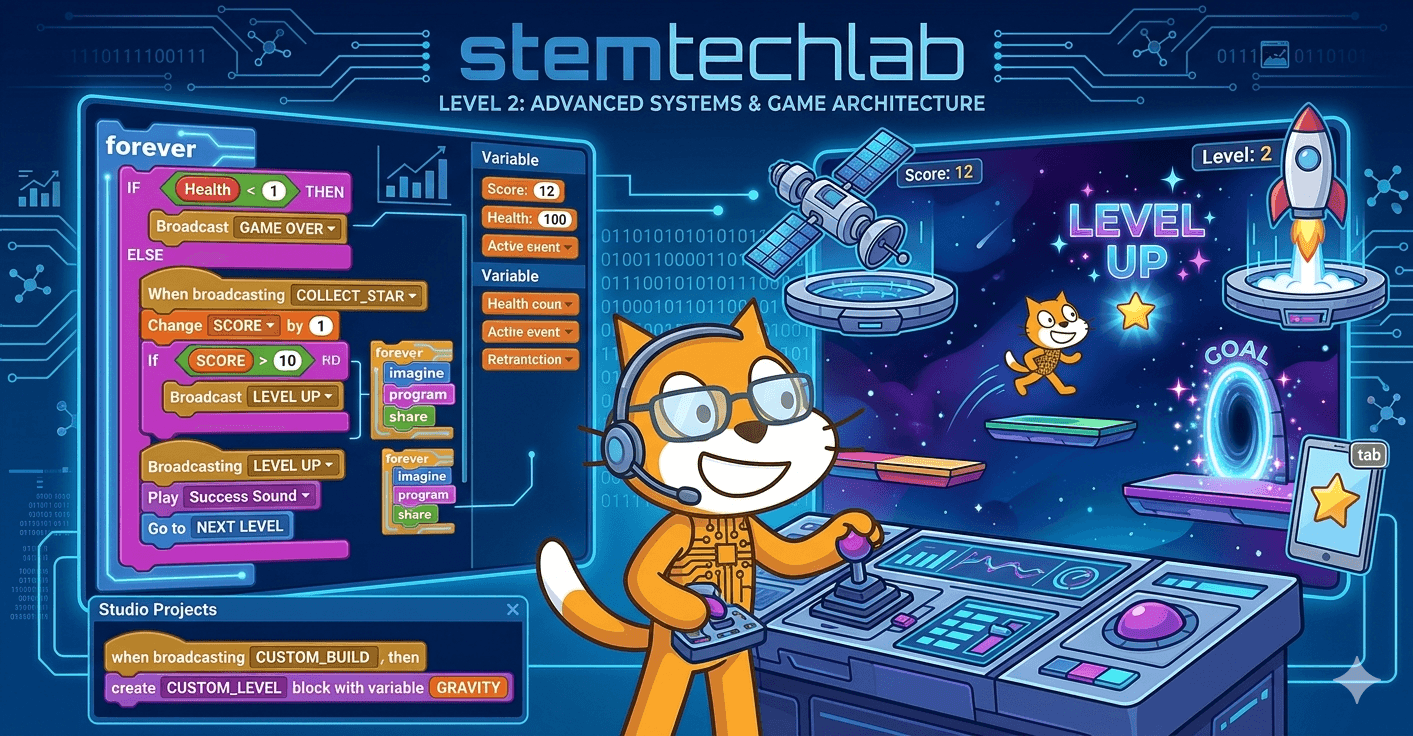
As students progress into the complexities of variables, sequences, and loops, they move toward the goal of "analytical application." This course focuses heavily on decomposition—the ability to break down a daunting, multi-layered project into small, manageable components. British academic research shows that this structural approach to programming significantly boosts a child’s general academic independence, as they learn to simulate real-world systems through code. By the end of Level 2, students are no longer just following tutorials; they are designing original digital architectures with efficiency and precision.
Build, control, and think like a real robotics engineer! In this interactive course, students explore how robots move, sense, and make decisions. They learn core robotics concepts such as movement, sensors, logic, loops, and variables, then apply them through virtual simulations and challenges. By the end, students can design and control robots to solve real-world problems.
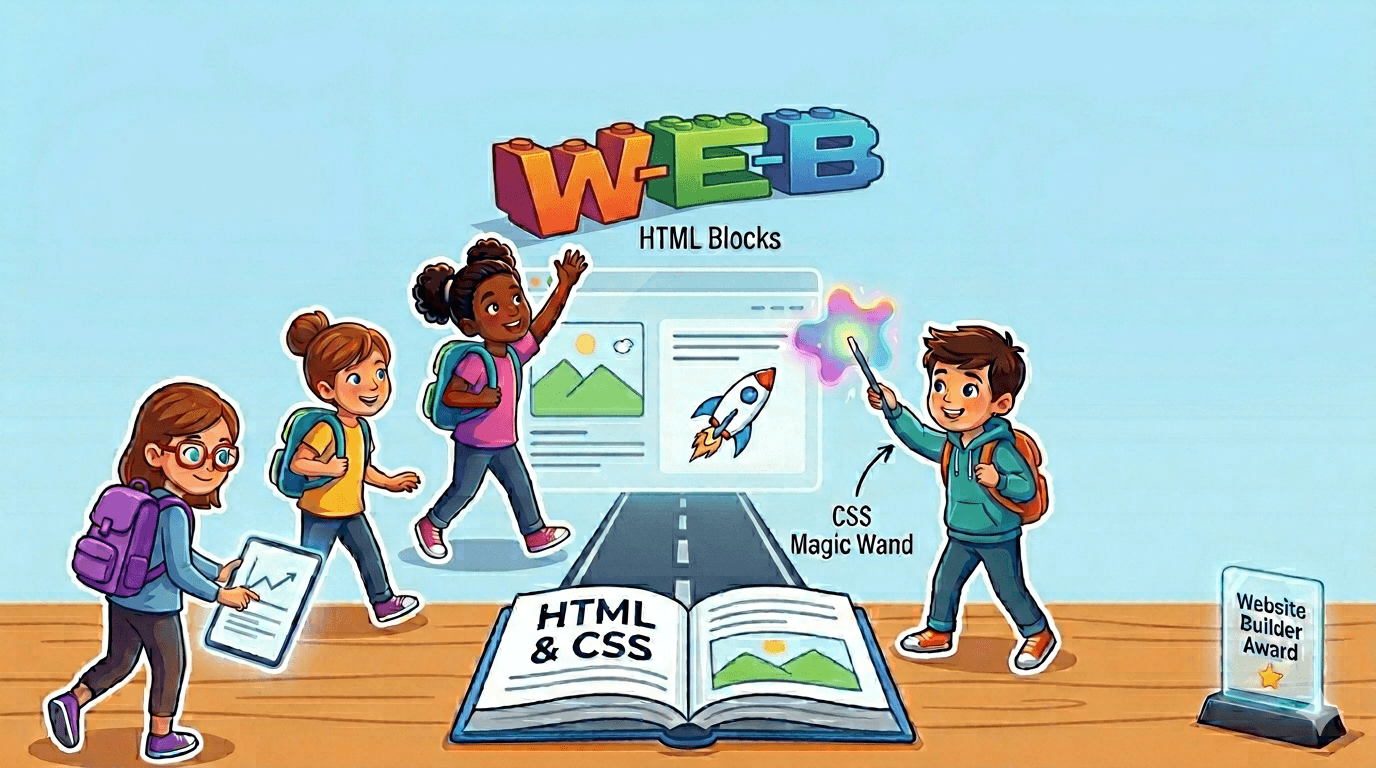
In this fun beginner course, your child will create their very first real website! 🎉 They’ll learn how to build colorful pages using HTML and CSS, add pictures, buttons, and cool designs, and proudly share their creation with family and friends. A magical first step into the world of coding! 💻✨
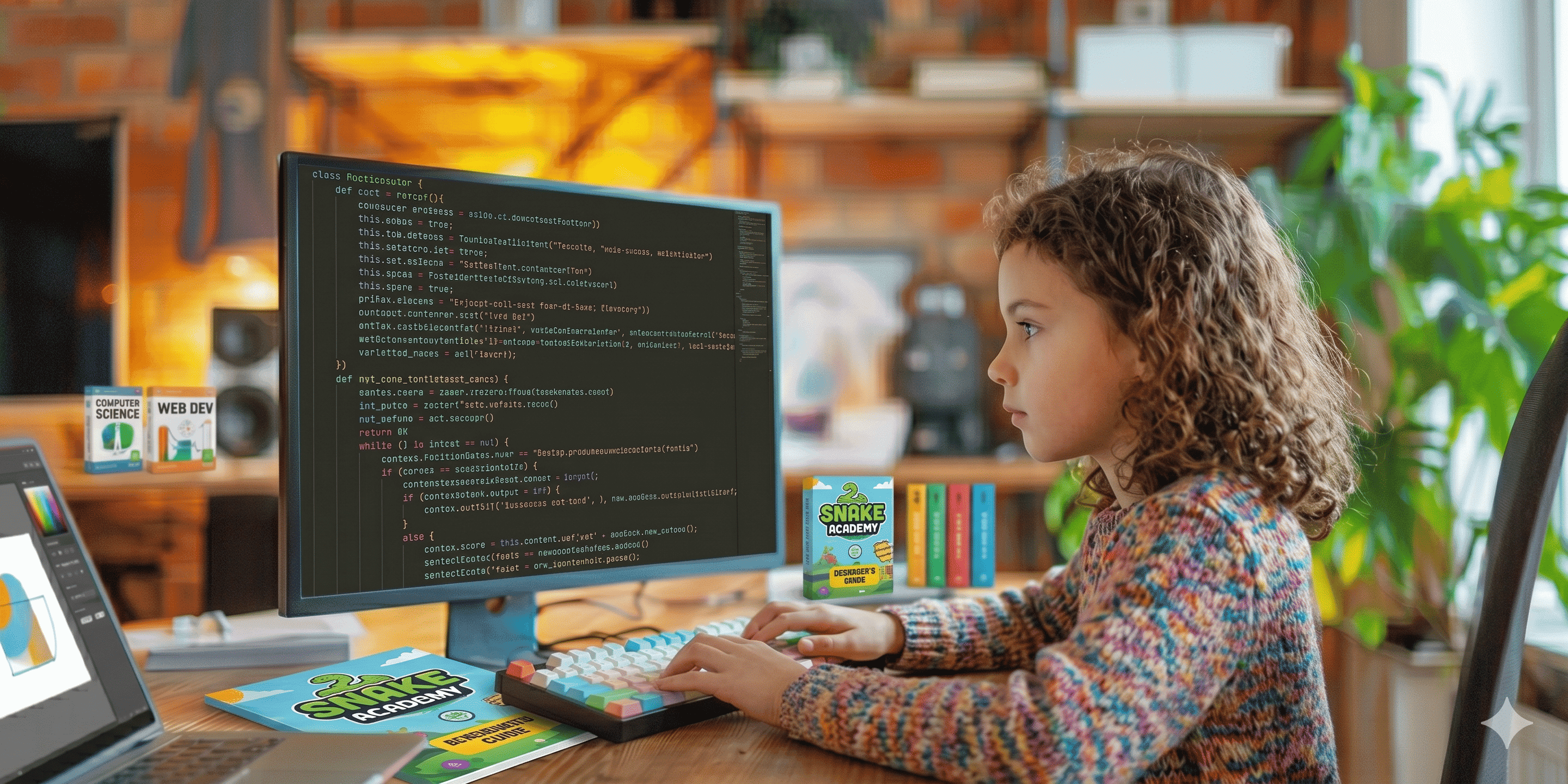
From first lines of code to real creative projects! In this engaging Python course, students start with the basics of programming such as calculations, variables, and text handling. They gradually build strong logical thinking by working with lists, data structures, conditions, and loops. Students then explore creativity through drawing with Turtle graphics, learn how to organize code using functions, and discover how real programs are built using objects and reusable logic. By the end, they confidently create interactive and structured programs using core Python skills.
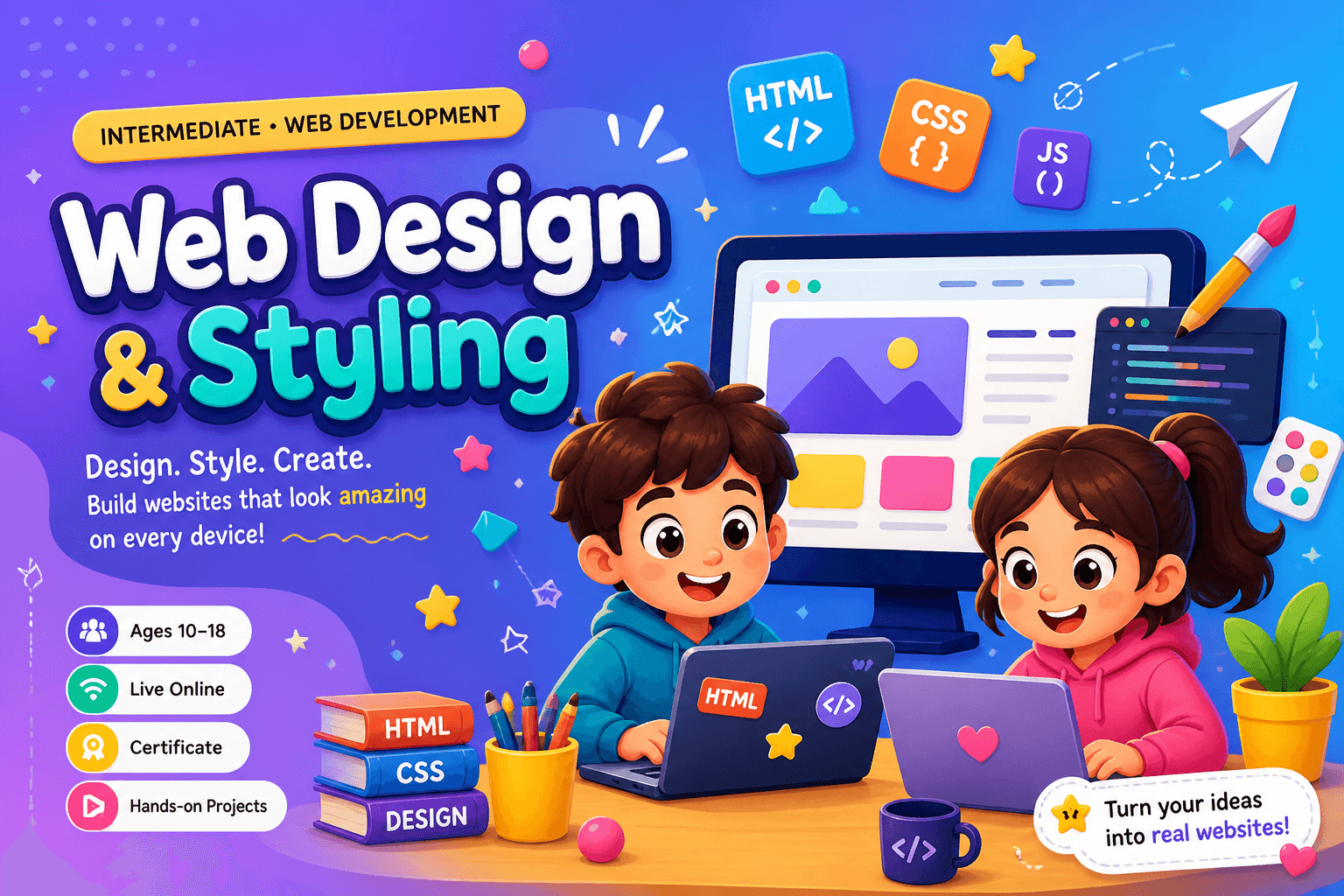
Your child is ready for the next challenge. In this course, they'll move beyond the basics and start building real, professional-looking websites that work beautifully on every screen — phones, tablets, and desktops. They'll learn to think like a designer, craft layouts that impress, and feel the pride of showing friends and family something they built entirely on their own.
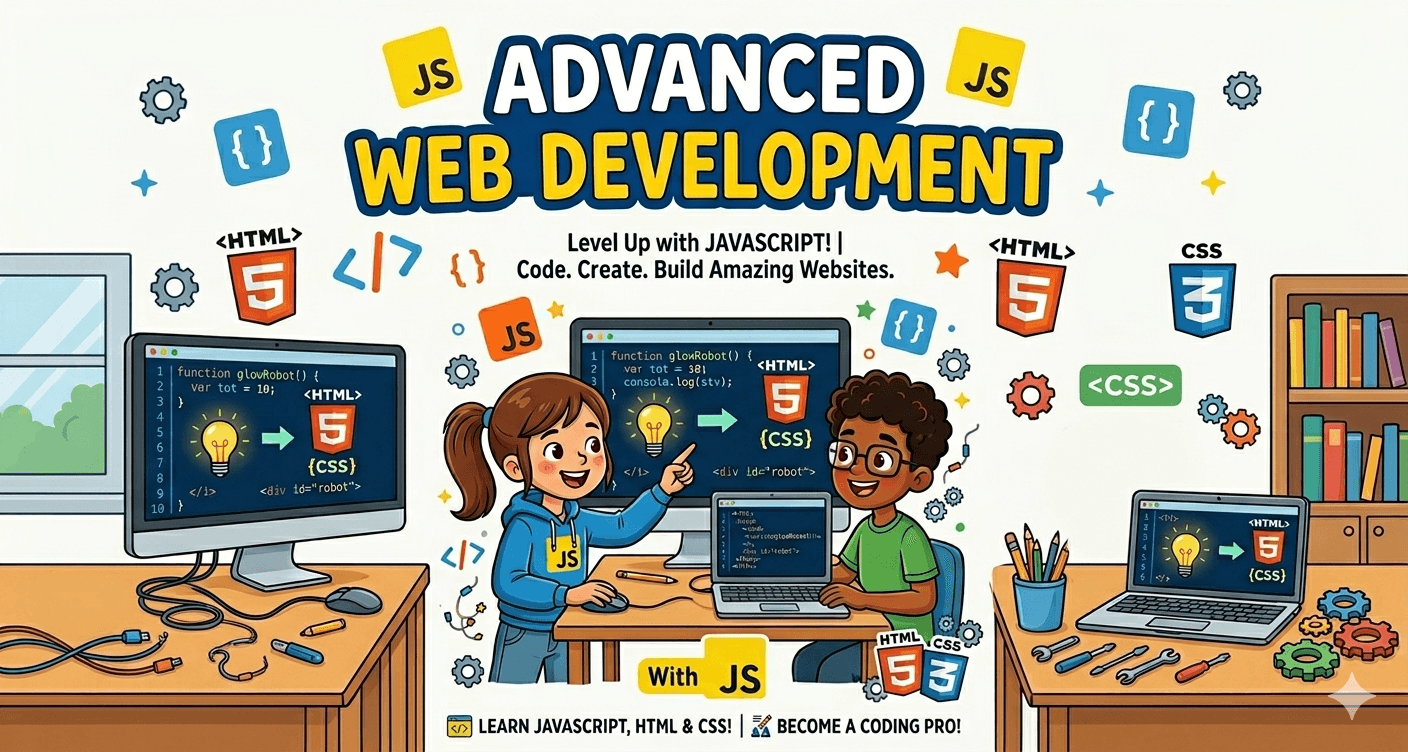
This is where your hero becomes a true web developer. JavaScript, live interactions, real APIs, and complete projects they can put in a portfolio — skills that open doors to internships, competitions, and the future they want to build.